
Understanding game design mechanics in gambling tips for creating engaging experiences
The Importance of Game Design in Gambling
Game design plays a pivotal role in shaping the overall experience in gambling environments. Whether it’s a land-based casino or an online platform, the mechanics of game design significantly influence player engagement and retention. Designers carefully consider elements such as user interface, gameplay dynamics, and reward structures to create an immersive experience that captivates users. This attention to detail helps maintain interest, encouraging players to explore different games and potentially spend more time and money. If you’re interested in diving deeper into this world, you might want to check out the top football betting sites that offer unique gaming experiences.
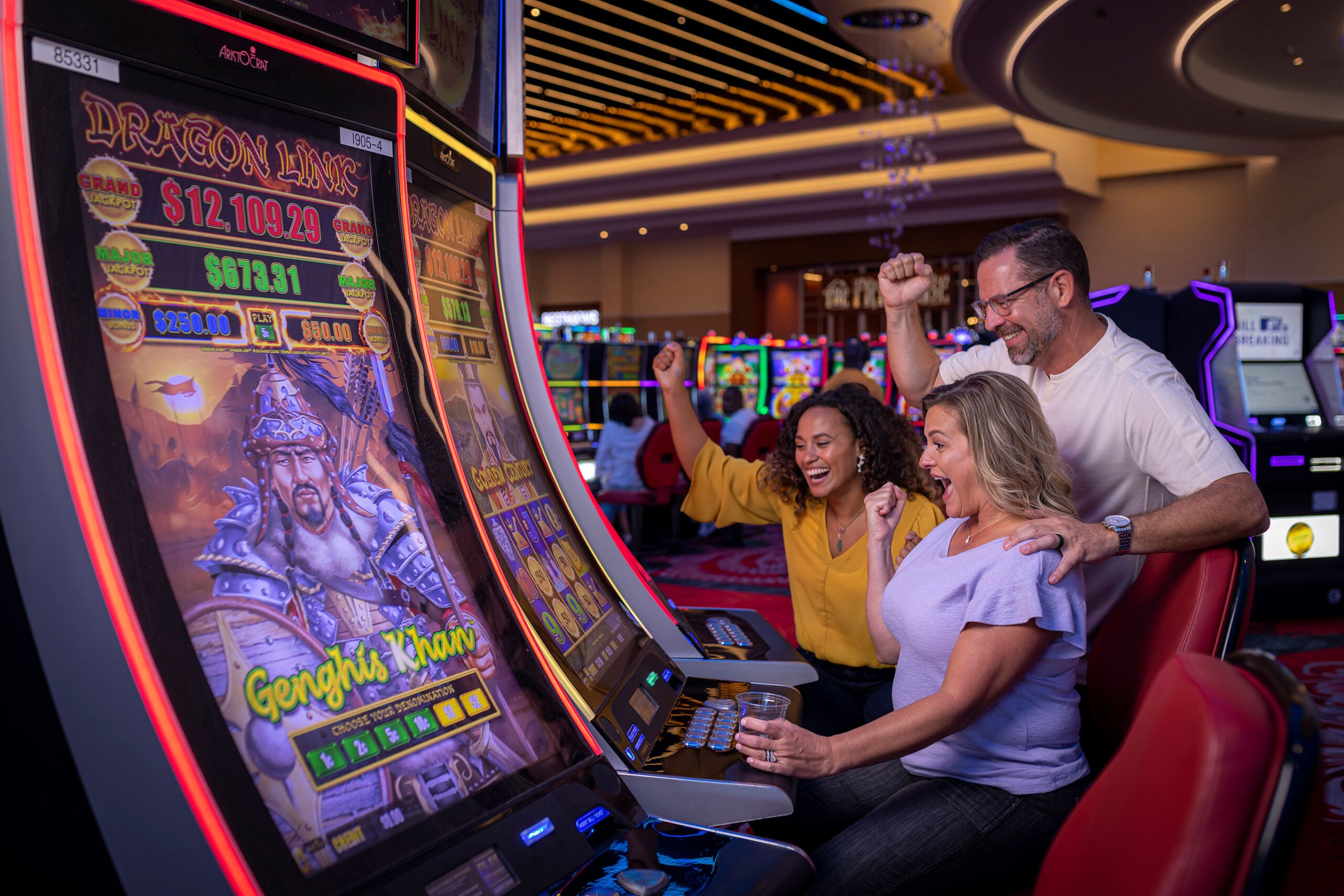
Understanding how players interact with games allows designers to develop features that enhance user satisfaction. For instance, visual aesthetics, sound effects, and narrative elements work together to create a sense of excitement. These aspects not only make the games more appealing but also improve the emotional connection players feel towards them. An engaging game can transform a simple betting activity into a thrilling adventure, making it crucial for designers to prioritize these components.
Moreover, effective game design mechanics can lead to higher rates of player conversion. By integrating features like tutorials and social sharing options, designers can create a more inclusive environment that welcomes both novice and experienced players. This strategic approach can significantly boost player loyalty, making it essential for gambling operators to invest in high-quality game design that keeps players coming back for more.
Key Game Design Mechanics to Consider
Several game design mechanics can be employed to create engaging gambling experiences. One of the most critical is the reward system. Players are motivated by incentives, and a well-structured reward system can greatly enhance their engagement. This might include bonuses for achieving specific milestones or loyalty programs that offer rewards for consistent play. The anticipation of rewards can keep players invested, encouraging them to continue playing and exploring different gaming options.
Another important mechanic is the balance between skill and chance. Games that require a certain level of strategy or skill can create a deeper sense of investment for players. For example, poker and blackjack involve not only luck but also the ability to read opponents and make strategic decisions. By incorporating these elements, designers can create a more engaging experience that appeals to players looking for more than just a game of chance.
Game mechanics such as themes and storytelling also play a vital role in engaging players. A compelling narrative can immerse players in a world that enhances their gaming experience. This storytelling aspect can be especially effective in slot games, where themes range from mythology to adventure, each offering a unique journey. By investing in these design elements, operators can differentiate their games in a crowded marketplace, enticing players to choose their titles over others.
User Experience and Interface Design
User experience (UX) is a crucial aspect of game design that impacts how players interact with gambling platforms. A seamless interface can enhance the enjoyment of the game, making it easy for players to navigate through different options. Designers must ensure that buttons are intuitively placed, information is easily accessible, and the overall layout is clean and user-friendly. This consideration can significantly affect the player’s perception of the gambling experience.
Moreover, responsive design is essential in today’s multi-device world. As players increasingly engage with online casinos through smartphones and tablets, designers must ensure that games function optimally across various platforms. This adaptability can lead to a more satisfying gaming experience, allowing players to enjoy their favorite games wherever they are. A game that performs well on any device can draw in a wider audience, enhancing both player satisfaction and revenue potential.
In addition to functional aspects, aesthetic design also contributes to user experience. The use of colors, fonts, and graphics can evoke emotions and set the tone for the gaming experience. An aesthetically pleasing game can captivate players, encouraging them to invest time in exploring its features. Designers should focus on creating a visually appealing environment that aligns with the game’s theme and enhances overall engagement.
The Role of Gamification in Gambling
Gamification introduces elements typically found in video games into gambling platforms, enhancing player engagement. Features such as leaderboards, challenges, and achievements can create a more competitive atmosphere, encouraging players to strive for better performance. This approach fosters a sense of community among players, as they compete against one another to reach the top of the leaderboard, thereby increasing their emotional investment in the game.
Additionally, incorporating storytelling elements within the framework of gamification can lead to richer player experiences. By presenting players with challenges that follow a narrative arc, designers can create a more immersive environment. This storytelling approach can keep players engaged for longer periods, as they become more invested in the outcomes of their gameplay, ultimately leading to increased playtime and profitability for the operator.
Gamification also allows for personalized experiences, which can further enhance player loyalty. By using data analytics to track player preferences and behaviors, designers can tailor experiences to individual users. This personalization can manifest in the form of custom challenges or targeted rewards, making each player’s journey unique and more engaging. Such strategies are essential for keeping players coming back to the platform, ultimately driving long-term success.
Exploring the Future of Game Design in Gambling
The future of game design in gambling is likely to focus on the integration of technology to create even more engaging experiences. Innovations such as virtual reality (VR) and augmented reality (AR) are poised to redefine how players interact with gambling games. By simulating real-world casino environments or overlaying virtual elements onto physical spaces, these technologies can enhance immersion and create new levels of excitement for players.
Moreover, advancements in artificial intelligence (AI) can offer personalized gaming experiences that adapt to players’ preferences and behaviors in real time. For instance, AI can analyze how players interact with a game and suggest tailored experiences based on their habits. This technology can not only enhance player engagement but also improve customer service by providing instant support and tailored promotions.
As the gambling landscape evolves, operators will need to stay ahead of these trends to remain competitive. Investing in innovative game design that incorporates the latest technologies can not only improve player satisfaction but also attract new audiences. The future will demand creativity and adaptability from designers to create experiences that are both engaging and relevant in a rapidly changing industry.

Final Thoughts on Game Design and Gambling Experiences
In summary, understanding game design mechanics is vital for creating engaging gambling experiences. By focusing on elements such as reward systems, user experience, and gamification, designers can foster deeper connections with players and enhance their enjoyment. As technology continues to evolve, the opportunities for innovation in game design will only expand, presenting exciting possibilities for both players and operators alike.
For those looking to navigate the ever-changing landscape of gambling, it’s important to seek platforms that prioritize quality game design. By choosing experiences that are thoughtfully crafted, players can enjoy a richer, more fulfilling gambling journey. A commitment to excellent game design not only ensures player satisfaction but also drives the long-term success of gambling operators in a competitive market.